The science behind our love for colorful food: From primate eyes to grocery aisles
DDaniel Hayes2025-11-13
The Colorful History of Food: From Toxic Dyes to Natural Hues
The food industry has long been intertwined with the use of colors, from the days of toxic dyes to the modern embrace of natural pigments. This article explores the fascinating history of food coloring, tracing its evolution from dangerous additives to the vibrant, healthier options we enjoy today.Uncovering the Colorful Past of the Food Industry
The Toxic Dyes of the Industrial Revolution
The food industry of the late 19th century was a vastly different landscape, one where synthetic dyes and hazardous chemicals were routinely used to enhance the appearance of edible products. In 1888, Germany enacted the "Law on Harmful Colors in Food, Drinks, and Useful Items," banning the use of substances like arsenic, chromium, copper, lead, mercury, and tin in food coloring. These toxic additives had been used to create vibrant greens, yellows, reds, and oranges, but at a devastating cost to public health.The Rise of Food Science and the Chemists' Influence
The late 1800s marked the height of the Industrial Revolution, a time of rapid technological and production advancements. In the food industry, pioneers like Henry Heinz, Henri Nestlé, Charles Pillsbury, and John Harvey Kellogg were shaping the landscape, while chemists emerged as the cultural heroes of the day. Every month brought news of new substances and scientific discoveries, fueling the industry's quest for durability, uniformity, improved taste, and enhanced appearance.The Evolutionary Roots of Our Color Preferences
The human attraction to vibrant food colors is deeply rooted in our evolutionary past. Our primate ancestors developed exceptional color vision, with three types of cones in their eyes that allowed them to distinguish a vast array of hues, particularly those associated with ripe fruits. This ability to identify colorful foods was a crucial survival adaptation, guiding them to the most nutritious and flavorful options.The Symbolic and Spiritual Significance of Color in Cuisine
Throughout history, food coloring has been imbued with symbolic and spiritual meaning. In the Middle Ages, cooks used natural dyes like blue lichen and saffron to represent royalty, divinity, and national allegiances. Colorful sauces and garnishes were incorporated into haute cuisine, creating a gastronomic experience that was as much about aesthetics as it was about taste.The Natural Food Color Renaissance
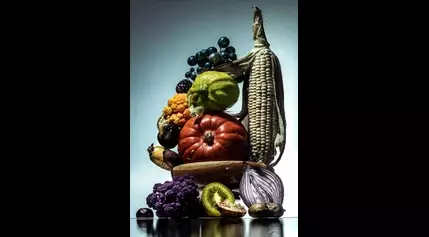
Today, the food industry has progressed, albeit slowly, in its approach to coloring. While we still have a strong attraction to vibrant hues, there is a growing aversion to artificial food dyes. The "golden age of natural food colors" has arrived, with a renewed focus on extracting pigments directly from their natural sources. Additionally, there is a newfound appreciation for the diversity of colors found in fruits, vegetables, and other whole foods, with a shift away from the limited palette of the past.As we continue to explore the rich history and evolution of food coloring, it becomes clear that our relationship with color in the culinary realm is a complex and multifaceted one. From the toxic dyes of the Industrial Revolution to the natural, healthier options of today, the story of food color is a testament to the ingenuity, adaptability, and enduring preferences of the human palate.